
Culture
This is a culture you can feelin the quality of a Tuesday.
We do not decorate the walls with values and then work a different way. We hire, coach, and keep people through three competencies: Thinking skills, AI skills, and personal and managerial philosophies. If you grow here, you grow because the work is real, the AI is in the workflow, and your word is treated as part of the product.
Who actually fits
This house has a learning culture. Not a poster about growth. A pattern you can already see in someone’s last few months.
The people who thrive here have paid, recently, to learn something they did not have to learn. They put money down for a course, a coach, a room, a tool, a trip to get better at the craft. They are in a book the way other people are in a feed: not one title a year for the shelf, a book they are actually reading. They run a pattern every day, the unglamorous kind, so the body and the calendar already know what discipline feels like. They keep a health habit every day. Sleep, training, food, whatever they chose and did not drop when work got loud.
That is the signal. This is not another heading on the wall. Thinking skills, AI skills, and personal and managerial philosophies only work in a person who is already in motion. If the last season of your life has no receipt, no book, no daily pattern, and no health habit, this culture will feel like an accusation. If it already looks like you, you will recognize the room.
01
Thinking skills
We do not hire people who can recite a framework. We hire people who can see.
At PATI, thinking is a craft you practice on live work. We teach many mental models. The ones below are samples of a larger kit. We will introduce more after these. They are not the curriculum.
MECE is one cut. Mutually exclusive, collectively exhaustive. Before you are allowed to be interesting, the map has to be honest. No two buckets covering the same ground. No silent hole where the real problem is hiding. If the cut overlaps or leaks, stop. Recut until a sharp person can hold the whole thing without squinting. MECE is not a slogan we print. It is the discipline of structure.
First-principles thinking. Boil the problem until you are looking at what must be true, not what was true at the last company. Rebuild from there. A handsome résumé full of tools is not the test. The test is whether you can explain the mechanism: why the number moves, where the money goes after the click, what still has to be true if the dashboard looks pretty and the cash does not. We do not analogize from another company’s playbook and call it strategy. Copying a recipe is not thinking. If you cannot take the thing apart and put it back together in your own words, you are not senior here, no matter how many years the CV claims.
Critical thinking. Do not swallow a claim because it arrived in a deck, a dashboard, or a confident voice. Ask what would have to be true. Ask what evidence would kill it. Ask who benefits if you believe it. Separate assertion from proof. This is not cynicism. It is the habit of testing the sentence before you build on it. A room that cannot disagree with itself will ship the wrong thing at speed.
Second-order thinking is a different muscle. First-principles asks what the thing is made of. Second-order asks what happens after the first thing happens. You ship a win. Then what does the customer do. Then what does the channel do. Then what does the team start optimizing for by accident. People who stop at the first consequence look fast in a meeting and expensive six weeks later. We stay with the second wave on purpose.
Systems thinking is how you hold a problem with every part alive at once. The customer, the promise, the channel, the cash, the people, the AI assets. A local fix that starves another part of the system is not a fix. You are responsible for the whole motion, not the pretty subsystem in front of you.
This is why AI-first and high performance can be the same company. The tool is not allowed to skip the cut. The tool is not allowed to skip the test. Used that way, a few dense years here give you a way of seeing that slower rooms spend a career trying to rent from consultants. Keep collecting models. This list is a start, not a ceiling.
02
AI skills
PATI is an AI-first company and a high-performance organization. That is one sentence about one place.
AI here is not a tab you open when you are stuck. It is an asset of the company. You use it on the live problem. You spend the tokens. You turn what worked into a skill, then a workflow, then an agent, then something the rest of the team can run. A private chat window is practice. Shipping an asset is the job.
Thinking skills still lead. The tool does not get to skip the cut. The point of AI is not to retire your judgment. It is to push the edge of what you can see, so you are responsible for a larger field, not a smaller one.
A few intense years in this house are meant to give you the range a slower organization takes a decade to assemble. You will not wait for a consultant to arrive with the playbook. You will leave able to install the playbook.
We provision serious AI. We measure it. We expect you to make the company smarter, not just your afternoon faster.
03
Personal and managerial philosophies
This is how we run when nobody is writing a speech. How we keep our word. How we grow without turning the building into a fire drill. Three pieces live here, and only here: Integrity, 5 Mindset (DNAs), and the 5 Step Algorithm for Operations.
Integrity
Integrity is not a mood and it is not a slogan about being nice. It is completeness. It is the decision to finish what you said you would finish.
Two principles
01Treat your word as yourself
People trust you because the sentence you spoke is the person they can count on.
02Do what you said, correctly and fully
The content. The deadline. “Almost” is a different promise, and you have not made that one yet.
When a commitment is at risk, do not go quiet. Move through the board, in order.
B1Inform
Tell everyone who is affected, as early as you can, so they can steer.
B2Assess
Name the damage. Name the recovery. Put a real plan on the table.
B3Recommit
Offer a new promise with a new date, and restore the state of Integrity.
A missed deadline hurts. Silence after a missed deadline is a second break, and we treat it that way.
5 Mindset (DNAs)
These are mindsets we can watch. They sit inside this competency. They are how a high-performance, AI-first company stays one company.
01Ownership
Do not stop at the patch. Change the system so the error cannot walk back in. A fix that needs you forever is not a fix.
02DoD 120%
Ship the thing and the playbook. The next person should be able to run it without pinging you.
03Problem solving from the root
Meetings exist to design the prevention. They are not a stage for last-minute rescue.
04AI First
Build AI assets the whole company can use: workflows, prompt libraries, agents. A clever private chat is not the standard. This mindset supports AI skills. It is not a fourth competency.
05Impact 80/20
Be the lever. Help the team produce an outsized result. Do not confuse hero hours with leverage.
5 Step Algorithm for Operations
Use this on every process, in this order. Do not rearrange it because step five looks exciting.
1Question
Question every requirement. Who asked. What happens if we refuse.
2Delete
Delete the parts and steps that should not exist.
3Simplify
Simplify what is left until a sharp person can hold it.
4Accelerate
Accelerate the cycle only after the work is clean.
5Automate
Automate last. Never first. A faster mess is still a mess, and now it is harder to stop.
If you want a house that will make you more dangerous in the best sense — clearer, faster, harder to fool, able to install AI in work that used to wait for a vendor — apply.
We are building something that should still look inevitable in 2026. Come help write the years in between.

Always Raise the Bar & Lower Expectations

Chân dung một Marketer tại PATI Group

PATI Group Journey: From a Passion of Health & Wellness to a Global Ecommerce Business
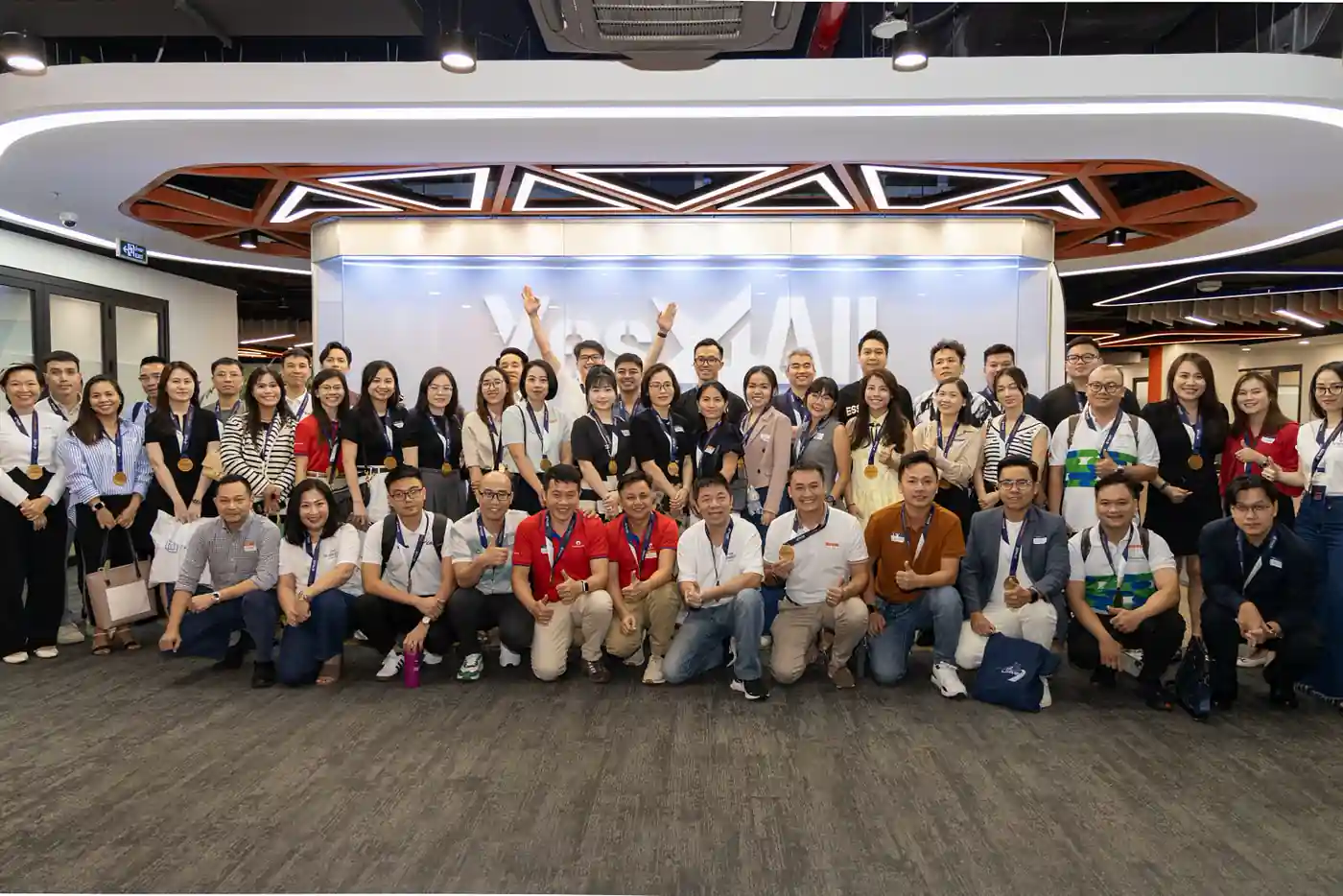
Culture Tour Lần 2 - Yes4All & Digiworld
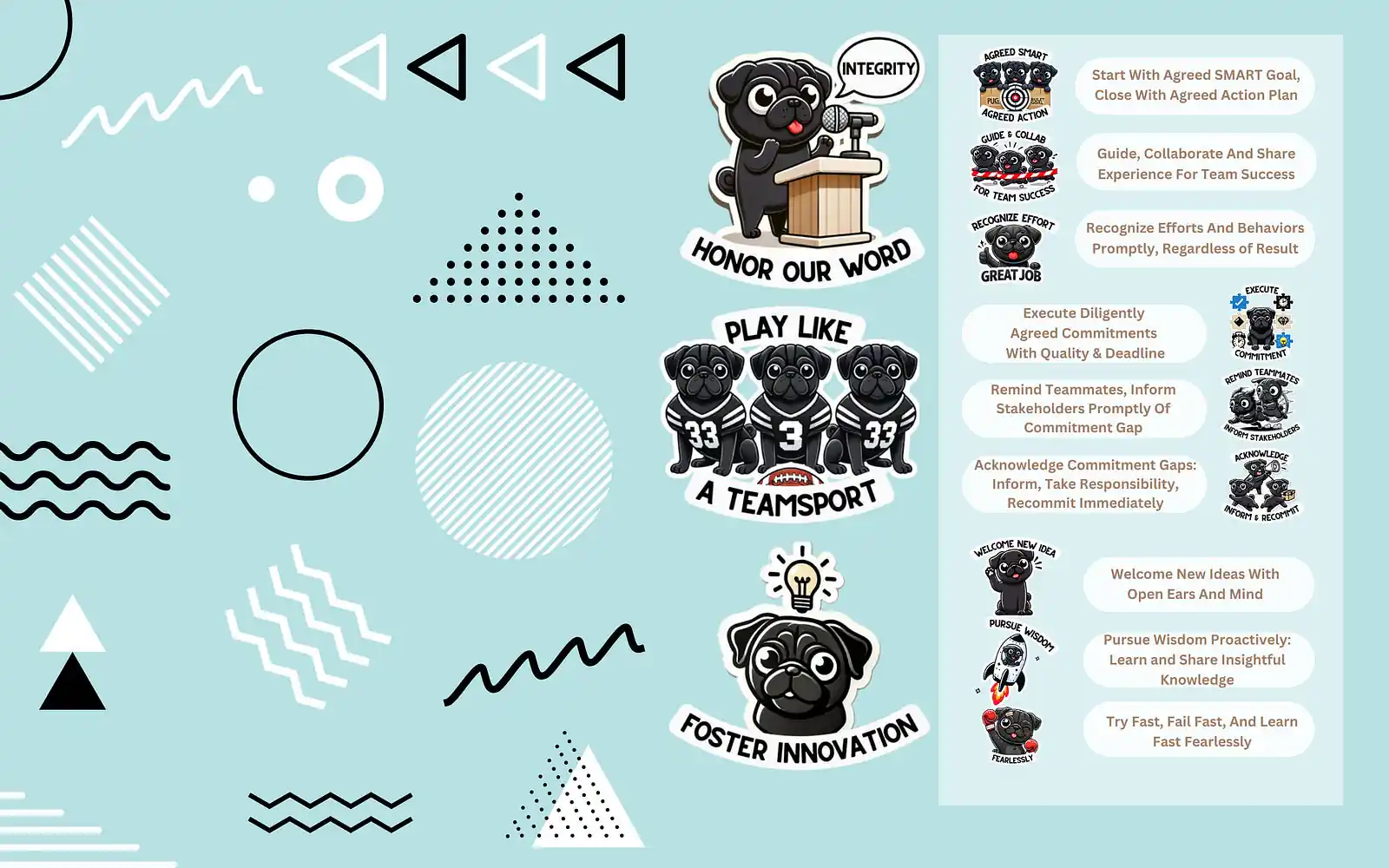
PATI Group’s Culture: Where Only the Elite Thrive by Unyielding Core Values
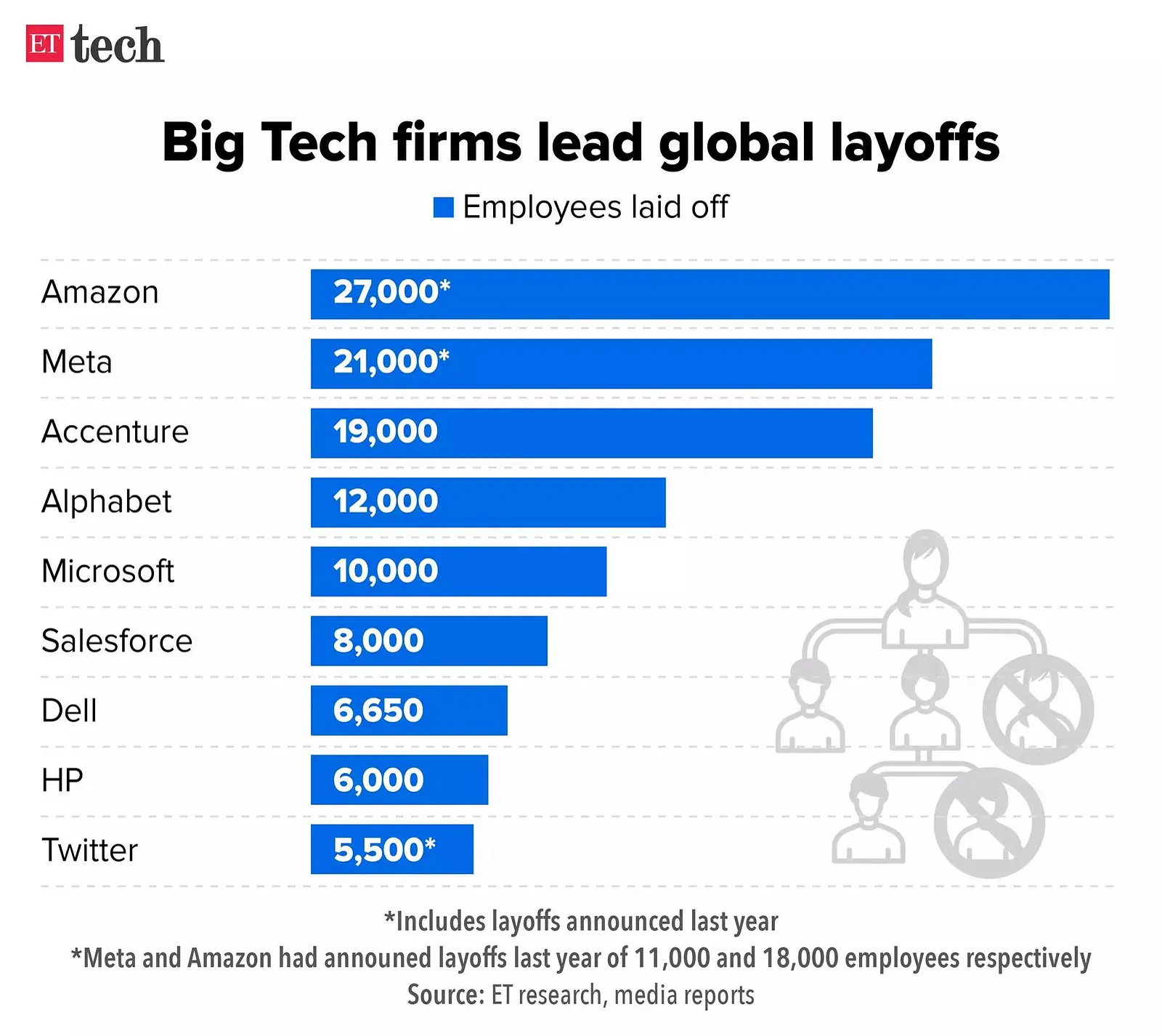
High Talent Density - Văn hóa giúp Netflix không layoff nhiều như các big tech khác

Recruiting Philosophy at PATI Group
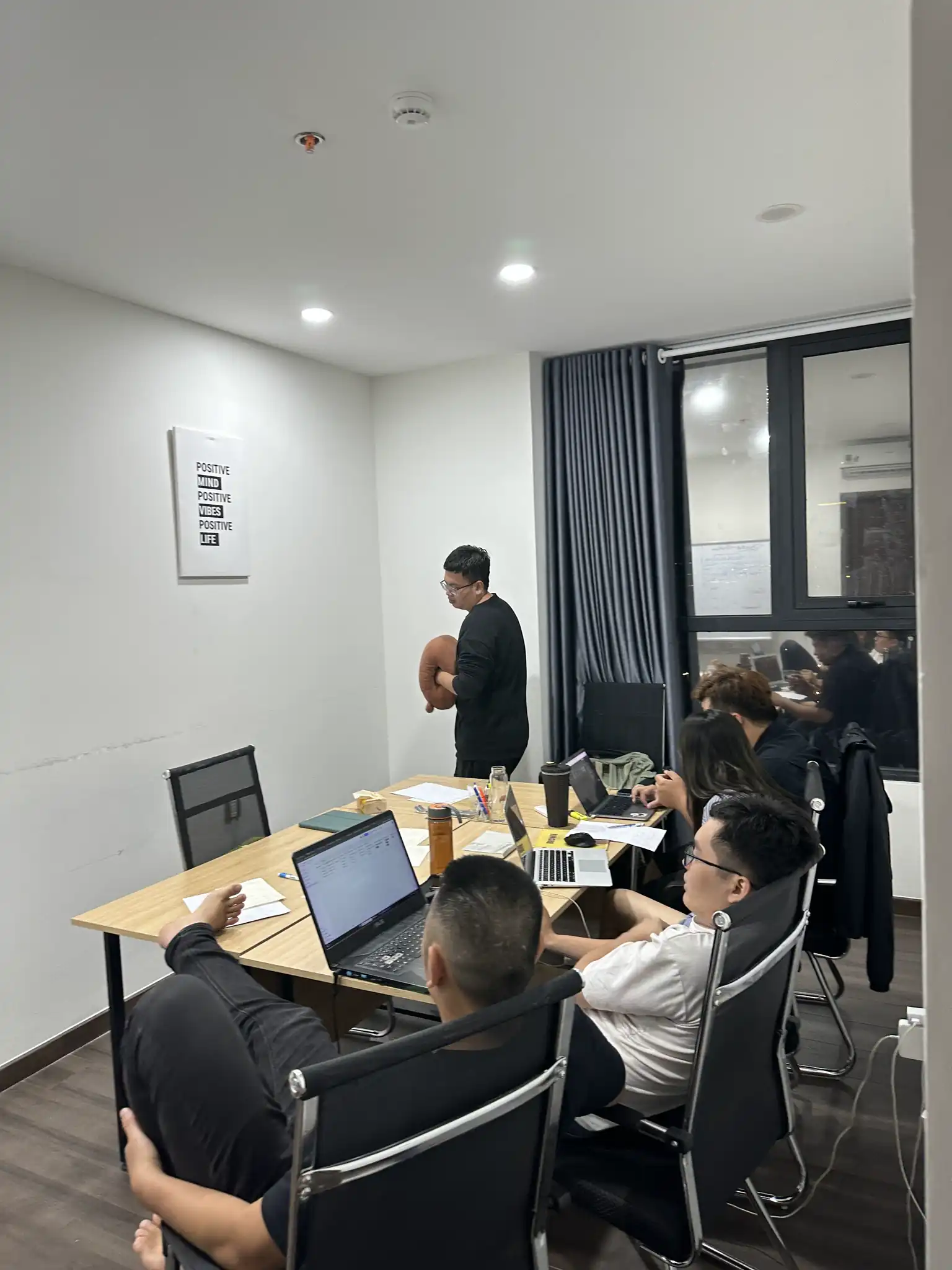
Culture At PATI Group
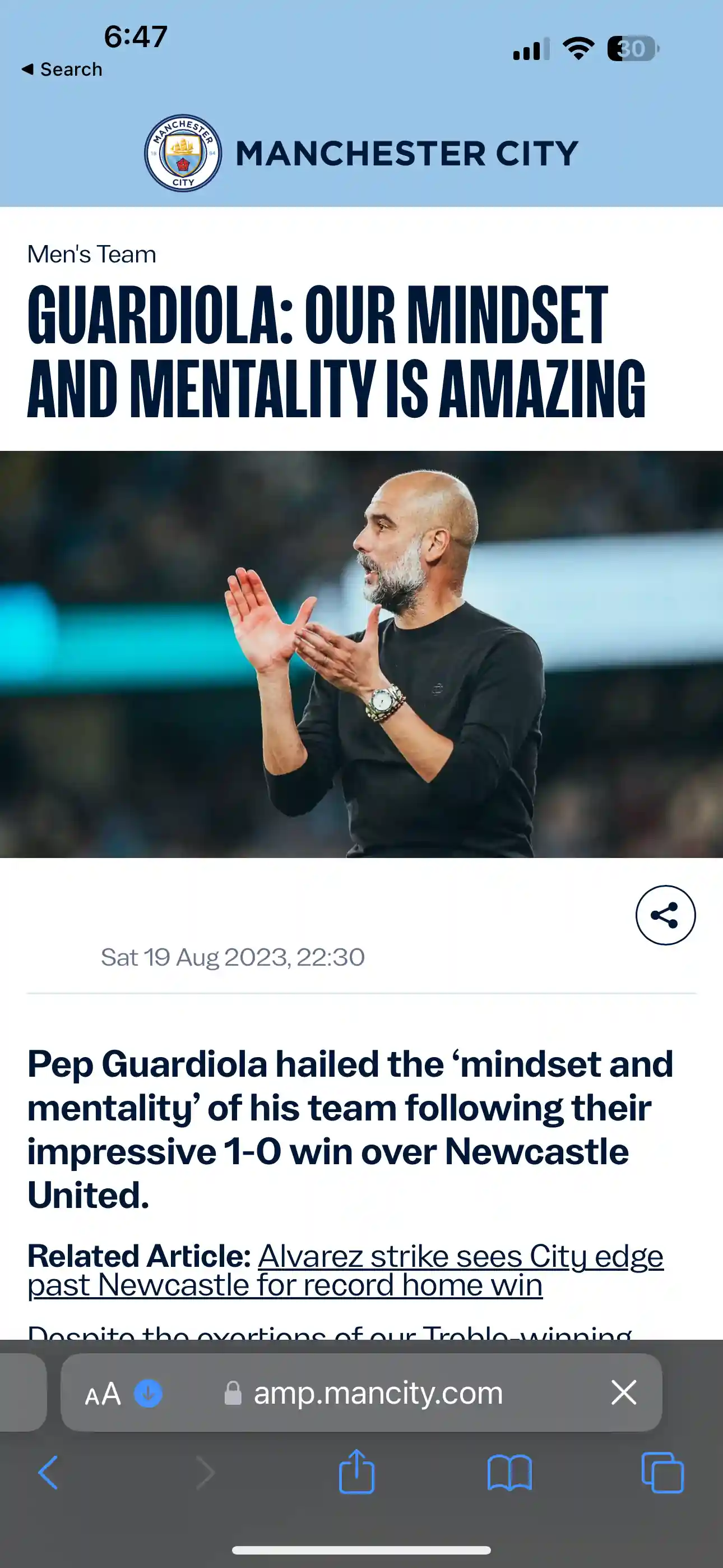
VÀI CHUYỆN LINH TINH
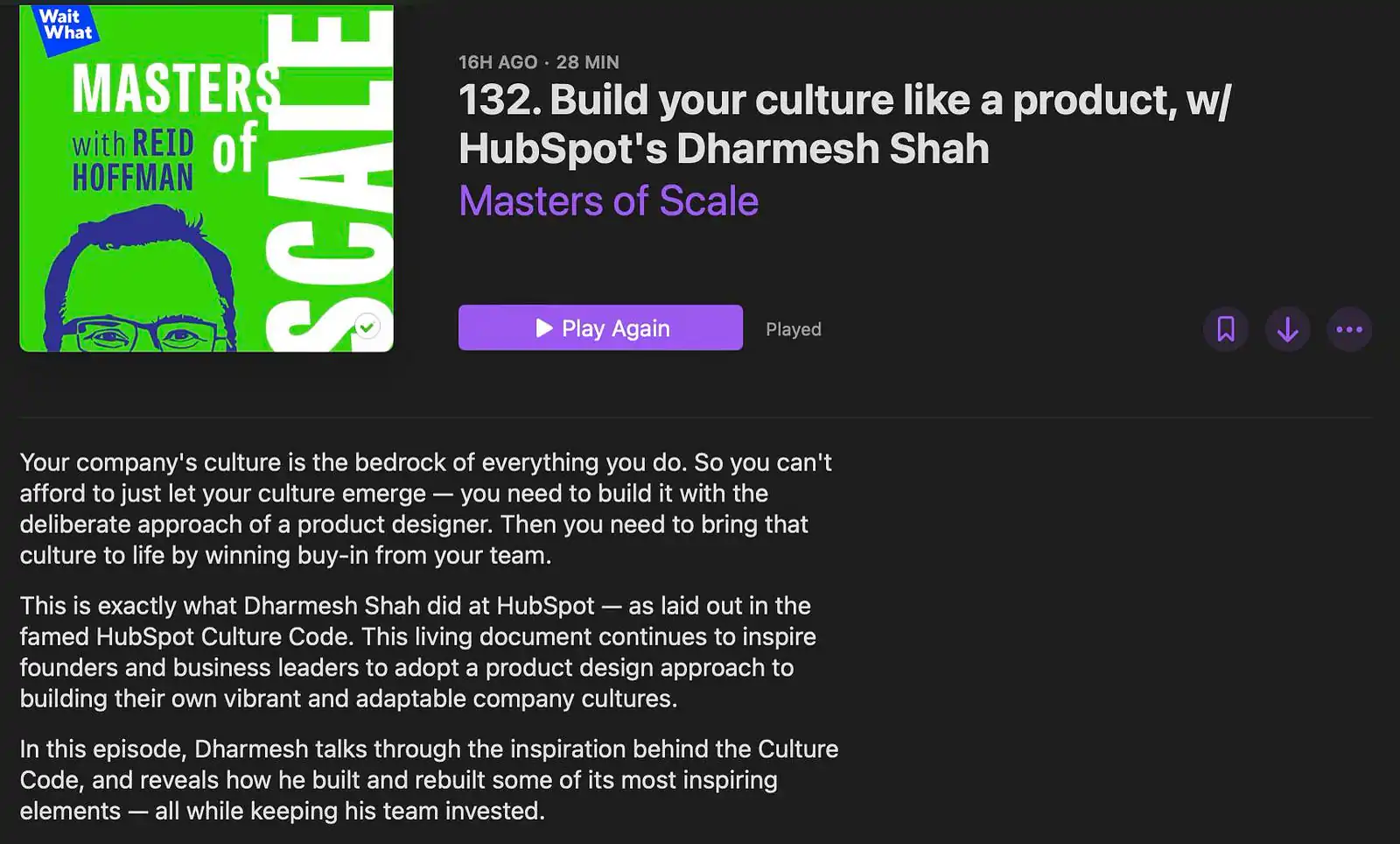
Hubspot xây dựng văn hóa như thế nào?
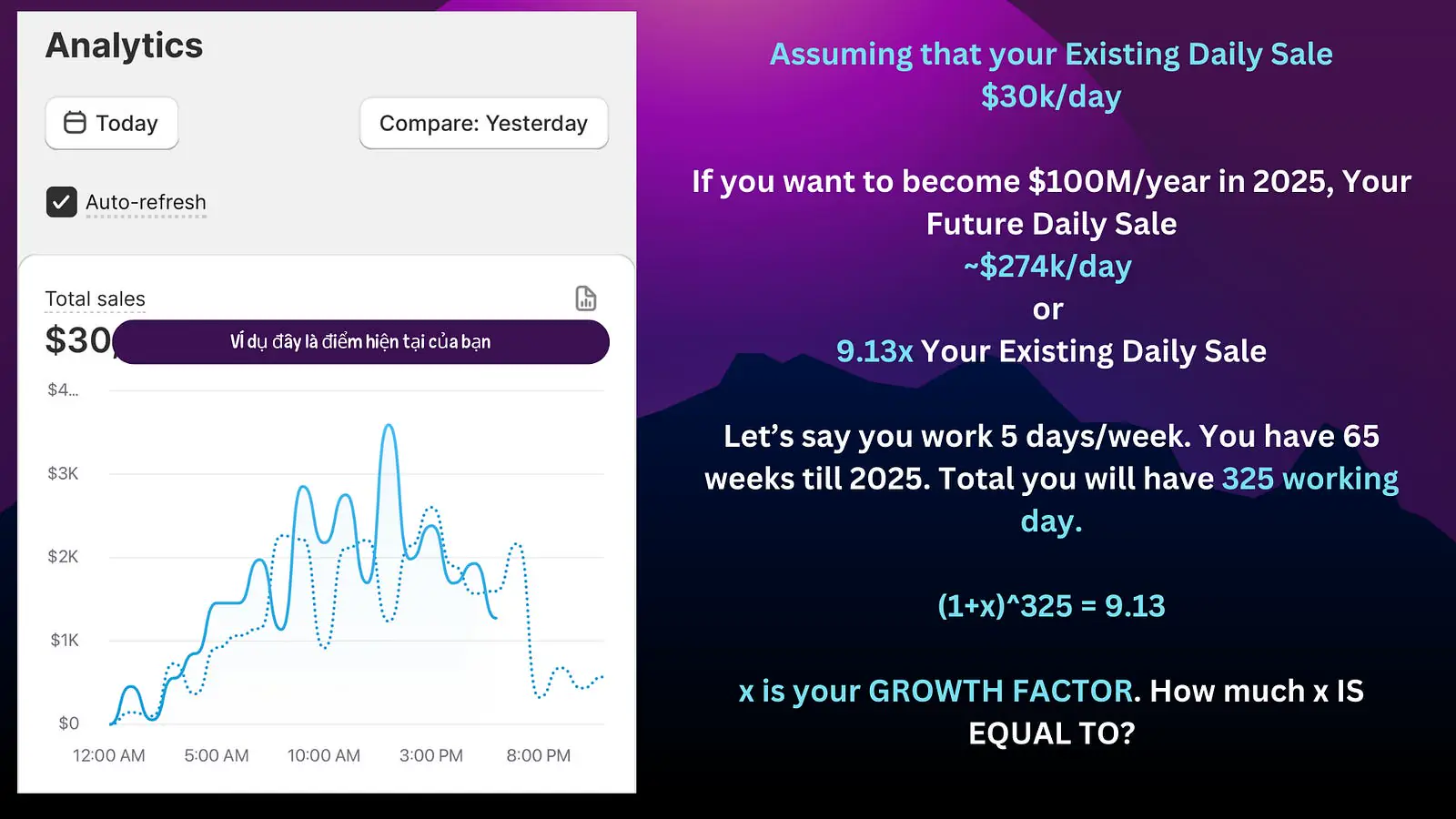
Winning Mentality Must Be At Strategy/Planning Stage! Not Just Execution
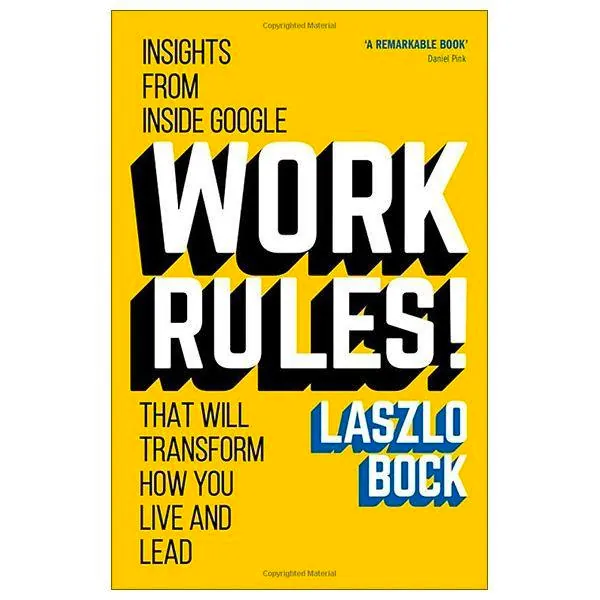
Top Sách Hay Về Xây dựng Văn hóa doanh nghiệp
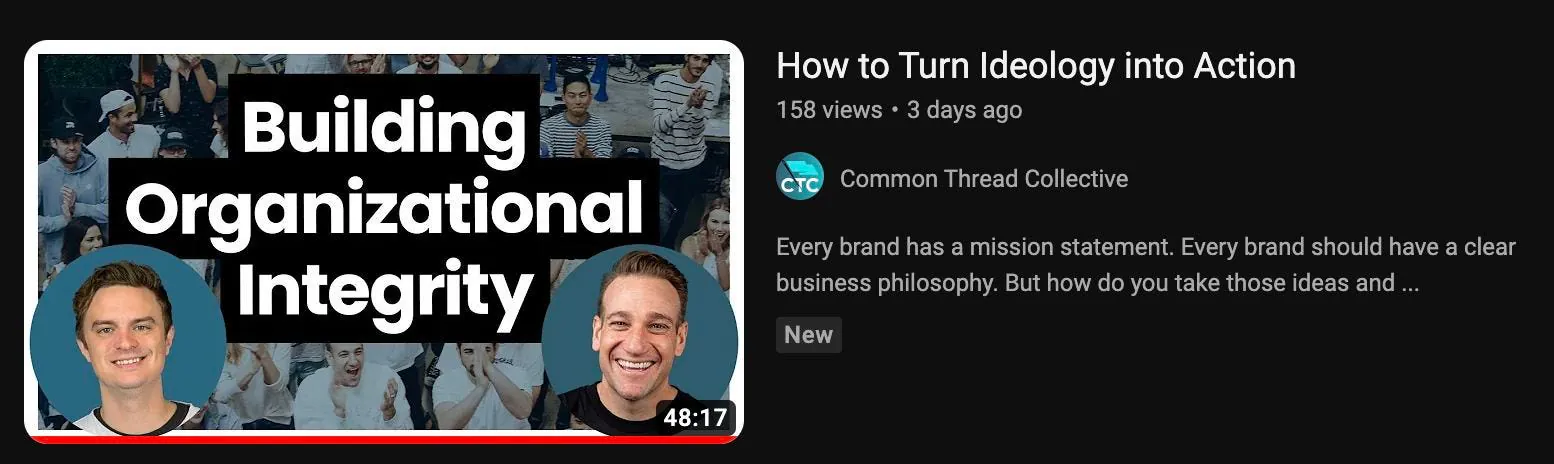
Podcast từ Top 1 marketing agency tại US - Common Thread Collective về Building Organizational Integrity
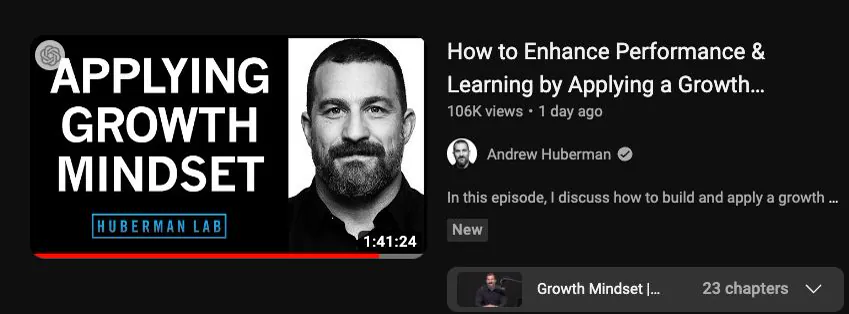
Ứng dụng Growth Mindset vào quản lý và đào tạo
Teamwork như thế nào cho đúng?

Sự khác nhau giữa 100% với 99% là bao nhiêu?